Now, I'm very far from being an expert on colonialism, and there's a whole host of historical and literary scholarship on the subject with which I have only a passing familiarity. What I am an expert on is science fiction, and science fiction (indeed, all pulp genres in one way or another) owes a lot to the colonial adventure narrative. To the genre's credit, its anti-colonial roots run as deep as its colonialism; both Mary Shelly and H.G. Wells, often called the genre's mother and father, were staunch critics of colonialism whose fiction frequently employed the conventions of the colonial adventure narrative in ways that challenged dominant ideologies. But many works in the genre, from Edgar Rice Burroughs's "Barsoom" series (which in many ways is Tarzan on Mars) to Dune (in which the son of a duke becomes a mighty whitey and leads an indigenous people in their fight against an empire) to even Star Trek (which Gene Roddenberry initially described as a "wagon train to the stars") evince classic patterns of the colonialist mentality.
Colonialism runs deep in pop culture's DNA. It's leapt from pulp magazines to radio dramas to comic books to TV to movies, and it's no wonder why--these stories are tremendously fun! Colonialism's legacy of racism can't be denied, but neither can the excitement that comes with these stories of exotic exploration and cultural contact.
In the past 30 years or so, storytellers have explored a few different options for how to resolve this tension. One option has been to follow in the tradition of H.G. Wells and try to subvert the genre. That, I would argue, is what George R.R. Martin attempts to do with the colonialist undertones of traditional high fantasy, exposing narratives about chivalry and white saviorhood to be a lie.
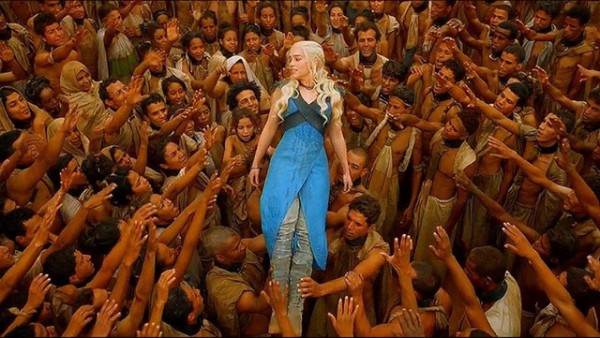 |
| Whether that subversion succeeds is debatable. |
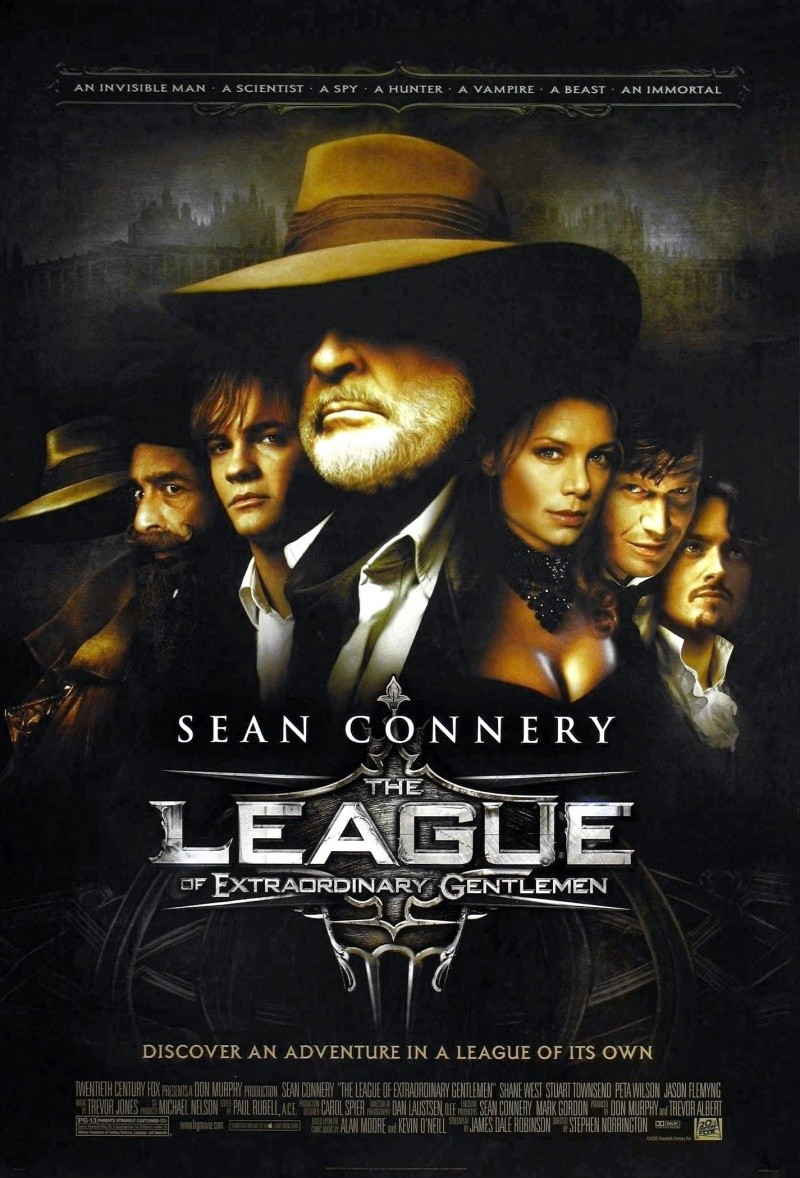 |
| This doesn't count. |
|
| No, not that one. |
 |
| Quentin Tarantino kind of tries to do all of the above. |
The comic books of the 1930s-1970s were inheriting the sensibilities of the pulp magazines of the 1890s-1950s, which themselves inherited the colonialist sensibilities of the 19th century. That means that a lot of the classic comic book narratives predate the various modes of interrogating the colonial adventure narrative that I described above. Doctor Strange's acquisition of mystical powers from the orient, first told in comic books in the 1960s, is a classic example.
I've heard others criticize Doctor Strange for "whitewashing." It is true that Tilda Swinton's character, "The Ancient One," is typically portrayed as Asian. However, it is also true that Baron Mordo, a typically white character, is played by Chiwetel Ejiofor--as they had previously shown by casting black actors to play Nick Fury and Heimdall, Marvel is not afraid to cast black actors in substantial supporting roles that were originally written as white. It's also true that casting Tilda Swinton to play a role typically portrayed as a male represents an increase in female representation as well.
Whitewashing is part of the issue here. It's worth noting we've seen numerous traditionally Asian characters being played by white actors in recent years, including Liam Neeson as Ras Al Ghul in Batman Begins, Ben Kingsley as the fake Mandarin in Marvel's Iron Man 3, and Benedict Cumberbatch himself as Khan in Star Trek. Thinking about the representational politics of their casting choices would have probably been the easiest way Marvel could have interrogated the genre traditions it was entering into. I was a big fan of the idea of casting Chilean actor Pedro Pascal as Doctor Strange back when the movie had first been announced. This film seemed like the perfect opportunity to give its protagonist a race lift. Instead, it will be the 13th film in the Marvel Cinematic Universe with a white protagonist.
But the problem isn't simply one of whitewashing--there are patterns and structures at play. Notice how two of the three movies I listed above, Batman Begins and Iron Man 3, feature a white villain (Liam Neeson's Ras in Batman Begins, Guy Pearce's Aldrich Killian in Iron Man 3) hiding behind Asian personae (Ken Watanabe as the fake Ras in Batman Begins, Kingsley as the fake Mandaran in Iron Man 3). In both cases the simple storytelling structure--uncovering the villain behind the villain--serves to affirm white supremacy. And notice the similarity between the Doctor Strange trailer and Batman Begins, both figuring the orient as the place where the white protagonist gains special knowledge. These colonialist tropes make some sense in a 1960s comic book, or an 1860s novel, but they're out of place in a 21st century film.
Representation is important, but I would argue that there is a deeper issue here. Marvel's commitment to remaining faithful to its source material is causing it to abdicate any interrogation of the centuries-old mentalities embedded in the genres that it is drawing on.
